Grasping the Job of an Arborist: Important Services for Tree Vitality and Maintenance
An arborist is crucial for maintaining tree well-being and longevity. Arborists use specialized knowledge to evaluate trees and develop customized care strategies. This includes trimming, diagnosing diseases, and managing soil health. Tree care professionals play a major role in fostering sustainable tree growth. Their skill set not only improves the aesthetic value of landscapes but also promotes ecological health. Grasping their main offerings can highlight the significant impact they have on developed and undeveloped environments equally.
The Significance of Arborists in Tree Care

While many residents may overlook the function of arborists, their skill is essential for maintaining tree vitality and longevity. Tree specialists are trained professionals who specialize in the care and maintenance of trees. These professionals hold in-depth understanding of tree biology, diseases, and environmental factors affecting development. By examining tree health, arborists can identify potential concerns, such as pest problems to nutrient shortages.
Their offerings cover a number of important tasks, including soil care, tree evaluations, and overall maintenance strategies. Tree care experts also play a significant role in making sure trees are situated in appropriate locations, taking into account factors such as sunlight, drainage, and space for development. Their guidance allows homeowners to make informed choices that promote sustainable tree development. By investing in arborist care, homeowners not only boost the beauty of their landscapes but also contribute to the ecological well-being of their surroundings, making certain trees thrive for a long time.
Essential Tree Pruning Techniques
Proper tree pruning practices are essential for keeping healthy and robust trees. Tree specialists utilize various techniques to enhance tree structure, encourage growth, and take away dead or diseased limbs. One basic technique is crown thinning, which includes carefully removing branches to boost light access and air circulation. A further significant technique is crown raising, where lower branches are pruned to increase ground clearance and sightlines. In addition, the practice of reducing the crown reduces the size of a tree’s canopy, reducing strain while upholding its structure.
Timing is also essential; pruning is typically best done during the dormant period in the period between late winter and early spring. This minimizes sap loss and fosters vigorous growth. Arborists suggest utilizing sanitized, keen equipment to make precise cuts, which aids in preventing harm to the tree. Finally, these connected information essential practices don't just boost visual attractiveness but also contribute greatly to the tree's total vitality and longevity.
How to Plant and Transplant Trees
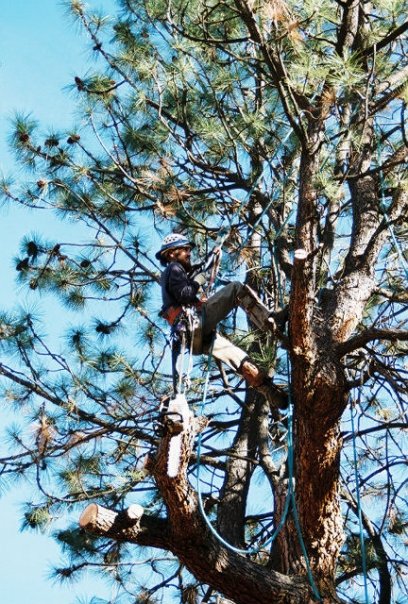
When looking at the installation of new trees, correct methods for planting and moving trees are essential for ensuring their successful growth and integration into the landscape. Arborists emphasize the importance of selecting the right species for the specific setting, as well as making sure the planting pit is prepared well. The hole must be sufficiently broad to allow space for the roots, allowing for proper spreading and oxygen exchange
During the relocation process, precautions must be observed to reduce disruption to the roots, which may impede the tree's capacity to take hold in the new location. Arborists recommend transplanting during the dormant season to reduce stress on the tree
(Florence Arborist)Following installation or moving, adequate irrigation and mulching are essential to support the tree's establishment. Arborists also advise monitoring the tree’s growth and adjusting care practices as needed to guarantee a healthy shift into the surrounding environment, thereby leading to a healthy setting
Diagnosing Tree Diseases and Pests
How do you successfully spot the indicators of tree maladies and insects? Arborists rely on an expert grasp of the science of trees and surrounding influences to determine the cause of these ailments. Symptoms such as discolored leaves, lack of vigor, or early defoliation usually point to deeper troubles. Furthermore, the existence of abnormal formations, such as abnormal swellings, might suggest an illness or pest problems.
Arborists also check the outer layer for wounds, holes, or insect waste, which might indicate bugs are at work. Examining the soil and surrounding environment contributes to finding stress factors like poor drainage or nutrient deficiencies. Familiarity with seasonal trends is vital, since specific pests appear at particular times.
Tree Health Assessments and Care Programs
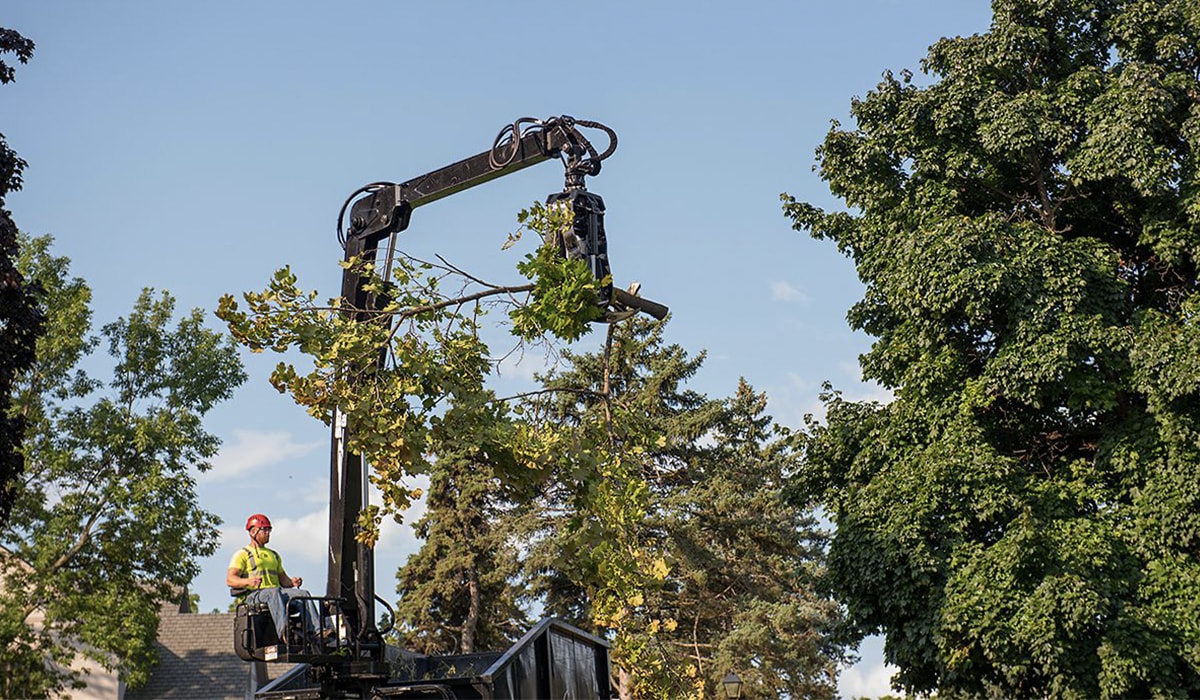
What approaches can be employed to maintain ideal tree health? Arborists often begin with thorough tree health assessments, which involve a detailed examination of the tree's overall state, including its framework, canopy, and root network. The inspection aids in recognizing potential concerns such as pathogens, harmful insects, or external stressors. Following the assessment, a specific management strategy is developed, meeting particular requirements
Common components of these plans include proper watering schedules, feeding strategies, and trimming procedures to optimize growth and durability - Florence Arborist. Furthermore, tree specialists might suggest applying mulch and managing the soil to enhance the availability of nutrients and retain water. Regular monitoring is essential, which permits modifications to the management program when circumstances shift. Through the execution of these methods, the well-being and lifespan of trees can be substantially bettered, ensuring they thrive in their habitat and simultaneously benefiting the broader ecosystem
The Function of Tree Specialists in Municipal Tree Care
Tree experts have a crucial function in municipal tree care by overseeing and preserving the condition of trees in urban settings. The skills they possess greatly enhance to the environmental balance and beauty in city environments. Arborists engage in tree planting, guaranteeing the right species are chosen based on local conditions and urban planning needs. Arborists carry out frequent health checks to pinpoint illnesses, insects, and structural problems, carrying out focused interventions to enhance tree health.
In addition, arborists develop and execute maintenance plans that include pruning, fertilization, and irrigation, improving tree growth and survival. They further instruct the public regarding the value of trees and appropriate care methods. Working together with municipal planners and ecological groups, tree specialists aid in lasting city growth, promoting biodiversity and enhancing the quality of the air. Their work is crucial in creating green spaces that serve both the community and the environment, thereby supporting more robust urban ecosystems.
Frequently Asked Questions
How Do I Search For a Licensed Arborist Locally?
In order to locate a professional tree expert nearby, one can search online databases, consult local gardening centers, or contact tree care associations. Make sure to verify certifications and read reviews to ensure quality service.
What Credentials Should I Seek in an Arborist?
When looking for an arborist, you ought to check for certifications like ISA or ASCA, appropriate background, liability protection, and a strong track record through reviews. These credentials ensure professionalism and expertise in tree care and maintenance.
Is There a Best Time for Tree Pruning?
Pruning trees works best during late winter or early spring when trees are inactive. However, some species benefit from summer pruning. Timing depends on the tree type and unique development cycles to encourage well-being and form.
What is the Price Range for Arborist Work Typically Cost?
The average price for arborist work is between $300 and $1,500, depending on factors such as tree size, location, and the difficulty of the job - Florence Arborist. Costs can fluctuate significantly based on regional demand and service provider skill level
Am I Able to Do Tree Work Without Professional Help?
Certainly, people are able to handle basic tree care without professional help, for example watering and mulching. But, for more complex tasks, such as trimming or checking for sickness, consulting a certified arborist is recommended to ensure the tree's vitality.